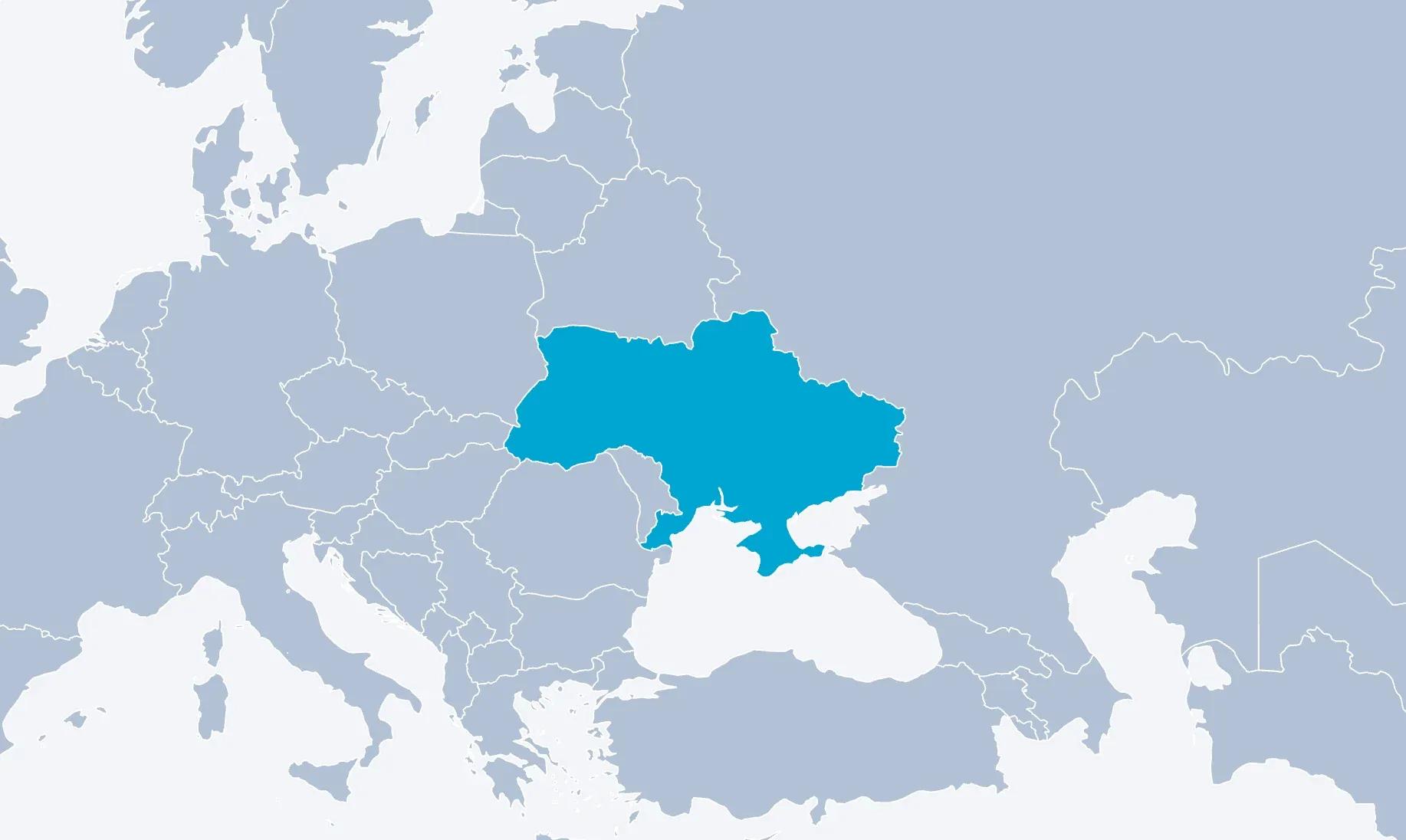
The organization TGEU (Transgender Europe) has published its annual ranking of legal protections for trans people in Europe and Central Asia.
Leaders: The highest level of protection and simplified procedures for changing documents are in place in Iceland, Malta, Spain, Portugal, and the Scandinavian countries.
Average level: Germany, France, Austria, and the Baltic states have effective laws, but human rights advocates report bureaucratic obstacles.
Lowest level (0 points): The situation is worst in Hungary, Russia, Uzbekistan, Azerbaijan, and a number of other countries where the human rights of trans people are completely restricted or nonexistent.
What's going on with Ukraine?
In the Trans Rights Map 2026 ranking, Ukraine consistently falls into the group of countries with a moderately low level of legal protection.
Among the advantages noted were the fact that the country has an officially recognized and functioning mechanism for changing the gender marker on official documents without the mandatory sterilization that was once required, as well as a certain level of protection in the area of employment.
The main problems remain the lack of clear penalties in the Criminal Code for crimes motivated by transphobia, discrimination in the healthcare sector, and many others. We have identified only 8 out of 32 indicators of rights protection. The organization conducted its assessment based on the presence or absence of legal mechanisms to protect trans people, including procedures for legal gender recognition, protection against discrimination, combating hate crimes, and the provision of shelter and medical care.
Ukraine is certainly ahead of countries with totalitarian restrictions (such as Russia), but it is in dire need of serious legislative reforms to meet EU standards.